
Blog
Development Pipeline Clarifies Eye of Horus Slot Outlook in UK

The UK online gaming scene keeps changing, but a classic like Eye of Horus hasn’t simply persisted on nostalgia. Its ongoing popularity depends on a clear, actionable plan for its development. We can observe the future of this iconic slot isn’t being abandoned to fate. Instead, a transparent schedule of updates and improvements is actively defining it. This kind of strategic planning is essential. It keeps players interested in a competitive market where flashy new titles often push older games aside. By looking at public information, developer comments, and past updates, a coherent picture forms of what’s next for players and operators. This article will examine the current status Eye Of Horus Cashback, evaluate what its recent changes mean, and forecast its path within the UK’s regulated environment. The evidence indicates its future is guaranteed, thanks to deliberate innovation focused on players, not just a famous name.
Analysing the Current State of Eye of Horus in the UK Market
Eye of Horus is a pillar of the UK online casino collection. It earned this spot by mixing simple gameplay with a engaging Ancient Egyptian theme. Its standing isn’t just about the past. Existing data shows it stays a steady favourite for UK players, often appearing on ‘most played’ lists at major casino platforms. Several factors explain this lasting power. The game’s medium volatility provides a even experience that suits a wide player base. Its systems, like expanding symbols and free spins, are simple to grasp but still captivating. The graphics have a timeless clarity and charm that never aged poorly. Just as crucial, the slot complies fully with the UK Gambling Commission’s strict rules on RTP transparency, stake limits, and responsible gambling options. This adherence secures its persistent presence on UK websites. This solid foundation is the required platform for all future efforts. It proves the game’s core formula still carries real value in the market.
Even with this solid footing, the slot works in a changing ecosystem. A steady stream of new games appears, showcasing sophisticated bonus rounds, ‘Megaways’ mechanics, and captivating stories. This is the persistent challenge. For Eye of Horus to preserve and expand its player base, staying unchanged isn’t an choice. The developers have shown they know this through incremental but substantial updates. They sidestep drastic overhauls that might disrupt the present fanbase, selecting instead for careful refinements. One case is the concentration on seamless mobile gameplay across all modern platforms, which is now a standard expectation. The game’s performance on various UK platforms gets uniform optimisation, a indication of active support. This careful oversight of the live product is the initial, most apparent part of the development workflow. It shows a devotion to quality today, while work on tomorrow’s evolution happens behind the scenes.
Latest Modifications and Their Strategic Implications
An examination of the recent update history for Eye of Horus shows a pattern of strategic enhancement, not arbitrary tinkering. A significant step has been the launch of promotional tie-ins and time-limited bonus events tied to the main game. These aren’t just marketing fluff. They are built to mesh directly with the gameplay, giving players new targets and periods of increased engagement. Such events have a double purpose. They engage players, but they also serve as live tests. The development team obtains valuable data on how players respond to modified mechanics and reward structures. This approach allows for A/B testing of potential features in the real world, without permanently changing the fundamental game players know. Information on participation rates, session length, and direct feedback from these events directly determines the development priorities for the ongoing development roadmap.
A further crucial update area is system-level compliance and integration. The UK regulatory landscape is always shifting, with continual debates about stake limits, game design, and affordability checks. This Eye of Horus development pipeline must dedicate substantial resources here. The goal is to ensure the slot meets today’s standards and is engineered to adapt quickly to future rules. This work might involve refining time-out functions, establishing smoother integration with national self-exclusion databases, or tweaking promotional language. These updates are less apparent to players, but they are perhaps the most essential for the game’s long-term survival in the UK. Any popular slot that cannot adapt to regulatory shifts faces the risk of being delisted. The constant flow of these compliance updates sends a strong message: maintaining the game operable in the UK is a key development priority.
Projected Elements and Gameplay Progression
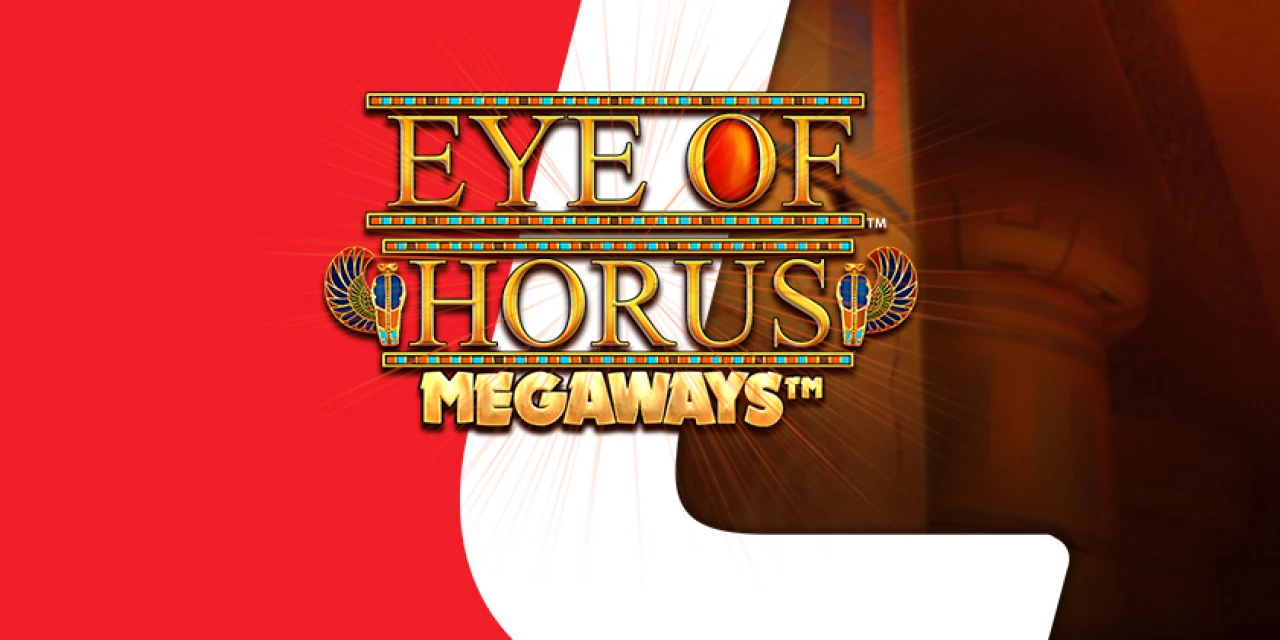
Monitoring the trajectory established by new developments and overall sector trends, one can anticipate multiple likely routes for Eye of Horus. An immediate successor or a ‘Megaways’ adaptation seems highly probable. This would utilize the brand’s solid reputation while providing the computational depth and big win possibilities a part of the market seeks. Such a launch would presumably keep the iconic scarab, eye, and ankh symbols, along with the familiar goddess narration. But it would situate them within a variable reel layout that changes every spin. This would be a substantial and natural progression for the franchise. It would appeal to current players looking for a fresh challenge and new players attracted by a tested theme wrapped in modern mechanics. The production pipeline is the mechanism for this growth, guiding the concept through rigorous mathematical modelling, UKGC compliance testing, and final optimisation.
Besides completely new game variants, the core slot itself might see enriched features. The existing free spins round, a popular feature, could be expanded. Optional boosters or a increasing multiplier layer could provide a level of strategy. A ‘buy bonus’ feature, meticulously set up within the UK’s incoming stake limit rules, is another plausible addition. Light narrative elements or achievement-driven unlocks could also increase involvement without complicating unnecessarily the base game. Any such features would go through thorough testing in the development pipeline. The priority would stay on keeping the game’s praised equilibrium. The aim is refinement, not a full rework. The essence of Eye of Horus must stay preserved even as its toolkit expands.
Market Positioning and Rival Evolution
The future of Eye of Horus in the UK hinges on its adaptation to competing slots. Its key strength is instant recognition and trust. It’s a familiar presence in a market flooded with new, untested ideas. The development strategy seems to use this by positioning the slot as a reliable ‘anchor’ game on casino floors. It’s the go-to choice that players revisit between playing newer games. This positioning is backed up by impeccable technical execution, relevant promotional offers, and an active community engagement. The development plan likely features regular competitive analysis. The group compares Eye of Horus with other classic slots and new entrants, identifying where functionality gaps arise or where player expectations are moving.
Adjustment also entails exploring new distribution channels. Integration into emerging formats is a strategic priority. These encompass free-to-play slot games or social casinos that can act as gateways to real-money play. A forward-thinking development pipeline would involve prototyping for these environments. In the same way, as VR and advanced live-streamed play gain traction, the strong visual and thematic identity of Eye of Horus makes it a candidate for adaptation. The key point is this: the development plan doesn’t only concentrate on the next update. It is designed to evaluate and, when appropriate, incorporate long-term tech developments. This strategy keeps the brand relevant in multiple potential scenarios for UK gambling.
Regulatory Compliance as a Driver of Development
In the UK, regulatory compliance is not merely a formality. It’s a central driver of game development. The Eye of Horus development pipeline must be agile enough to address regulatory shifts. Current focus areas include the rollout of stricter affordability checks, potential new limits on bonus mechanics, and rules for clearer display of financial risk indicators. Each of these areas requires a direct response in technical and design terms from the developers. For instance, designing intuitive interfaces that show session loss and time played more effectively may become mandatory. That would be a major update flowing straight from the compliance side of the pipeline.
Furthermore, the debate around ‘loss chasing’ features and bonus buy-ins directly influences game design. Any future features developed for Eye of Horus must pass strict reviews. They must align with the UKGC’s goals of preventing player harm. This regulatory environment is challenging, but it can also spur innovation in responsible game design. The pipeline might explore features that encourage healthier play. Think customizable loss limits built directly into the game interface, or ‘achievement’ systems that reward extended play without requiring more bets. By treating regulatory adaptation as a driver for player-centric innovation, not just a constraint, the development pipeline can go beyond helping Eye of Horus survive. It can place the game as a leader in ethical design within the UK market.
Long-Term Brand Strategy and Player Retention
The primary goal of a clear development pipeline is to ensure the long-term health of the Eye of Horus brand. This extends past a single slot game to creating a loyal player community. Future developments will undoubtedly include more active community outreach. This could use player data (within privacy rules) to customize experiences or offer tailored rewards. The brand might branch out into merchandise or crossover promotions, enabling players engage with the game’s iconic symbols off-screen. The development pipeline for the game itself drives this broader strategy. Every new feature, sequel, or visual update is a point of contact. It reinforces the brand’s presence and shows a continued commitment to its audience.
Retention is powered by consistent, valued communication. A transparent pipeline enables operators and players see evolution coming. This promotes a sense of investment in the game’s journey. Teasers for upcoming features, developer blogs explaining the thinking behind changes, responsive feedback loops where player suggestions are heard and sometimes implemented all these activities stem from a structured, forward-looking plan. In a market where players have endless choices, the assurance that a favourite game is actively nurtured and evolved with care is a powerful retention tool. Through its visible and committed pipeline, Eye of Horus is building that assurance. It is evolving from a static product into a dynamic, evolving entertainment experience with a clear and promising future in the UK.
The future of the Eye of Horus slot in the UK isn’t a secret. It’s being planned through a transparent and responsive development pipeline. The strategy covers many bases. It protects the game’s current performance and regulatory standing. It prototypes new features and explores new formats. It balances respect for the game’s classic appeal with a practical drive for innovation. This positions it competitive in a sea of new releases. This deliberate, player-focused approach to evolution, grounded in rigorous compliance, positions Eye of Horus not as a museum piece, but as a resilient and adaptable mainstay of the UK online gaming landscape for the foreseeable future.
 AR